




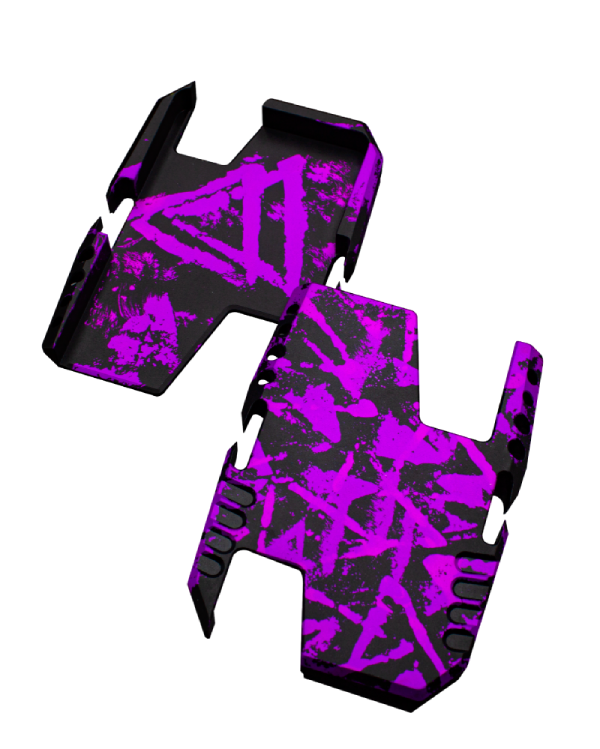
At TopAnod, we provide splash anodizing services for manufacturers that require both functional performance and unique surface aesthetics. From aerospace and medical components to premium consumer products and custom fabricated parts, we help customers achieve repeatable decorative effects without sacrificing corrosion resistance, wear performance, or dimensional accuracy.
Color:
Splash Anodizing
The combination of colors and pattern are selected individually, contact the manager for more detailed information
Characteristics:
- Maximum size 1400х450х750 mm
- Coating thickness from 16 microns
- Features
- Possible additional effects 1. No processing. 2. Chemical etching (natural alloy texture). 3. Physical matting (glass-jet processing).
- Materials Aluminum alloys 1000, 2000*, 3000, 5000, 6000, 7000
- Applications
Splash anodizing in TOP ANOD:
More examples
View all works
Cover type:
Splash anodizing

Cover type:
Splash anodizing

Cover type:
Splash anodizing

Cover type:
Splash anodizing
9 reasons to Choose TopAnod for Splash Anodizing

Specialized anodizing expertise – deep process knowledge developed through dedicated anodizing operations.

Custom splash pattern development – finishes engineered around specific product and branding requirements.

Titanium and aluminum processing capabilities – experience across both material families.

Consistent color control – repeatable process parameters for reliable production results.

Prototype and production support – from early-stage development through volume manufacturing.

Fast turnaround times – responsive processing for urgent projects and production schedules.

Comprehensive quality assurance – inspection procedures integrated throughout the process.

Technical consultation and engineering support – practical guidance from anodizing specialists.

International industry experience – support for customers across aerospace, medical, industrial, and consumer sectors.
What Is Splash Anodizing?
Splash anodizing uses the same electrochemical process as conventional anodizing to create a protective oxide layer on the surface of a metal part. The difference lies in how the finish is developed.
Instead of producing a uniform appearance, we intentionally create localized variations in color and oxide thickness to generate splash patterns, color transitions, and multicolor effects.
For titanium, colors are created through voltage-controlled oxide thickness rather than dyes. By adjusting the anodizing parameters, we can produce rainbow finishes and custom decorative patterns. For aluminum, splash effects are achieved through specialized coloring techniques applied after anodization.
The result is a finish that combines the corrosion resistance and durability of anodizing with a highly distinctive appearance
Types of Splash Anodizing
Splash Anodized Titanium
Splash anodizing titanium relies on voltage anodizing. During the electrochemical process, the thickness of the oxide layer increases as voltage rises. Because light interacts differently with varying oxide thicknesses, a wide spectrum of interference colors can be produced without pigments or coatings.
This characteristic makes titanium uniquely suited for splash anodizing. Rainbow finishes, color gradients, and highly customized artistic patterns can be generated directly through process control.
Unlike painted surfaces, the coloration is created by the oxide layer itself. There is no coating to peel, chip, or separate from the substrate.
Common applications include:
- Medical instruments and surgical tools
- Aerospace identification components
- Consumer products
- Watch components and jewelry
- Premium custom fabrication projects.
Splash Anodized Aluminum
Splash anodizing aluminum combines traditional anodization with decorative coloration techniques to create patterned finishes that stand apart from standard architectural or industrial anodizing.
The process can incorporate natural metallic tones, dyed coloration, or custom decorative effects depending on project requirements. Because the anodized oxide layer remains integral to the aluminum surface, the resulting finish provides both visual appeal and long-term protection.
Splash anodized aluminum is commonly specified for:
- Architectural components
- Consumer electronics
- Premium product housings
- Industrial equipment
- Custom decorative fabrication.
Benefits of Splash Anodizing
Manufacturers choose splash anodizing when they need both performance and appearance.
- Unique visual appearance that differentiates products from standard anodized finishes
- Custom color possibilities including rainbow, multicolor, and patterned effects
- Enhanced corrosion resistance through a protective anodized oxide layer
- Improved wear resistance compared to untreated metal surfaces
- Long-lasting finish that remains stable during service
- No peeling or flaking because the oxide layer becomes part of the substrate
- Lightweight protective coating with minimal dimensional impact
- Suitable for industrial and decorative use
- Environmentally friendly process compared with many traditional coating technologies.
Splash Anodizing vs Standard Anodizing
While both processes create a protective oxide layer through anodization, splash anodizing offers significantly greater flexibility in appearance and product differentiation.
| Feature | Splash Anodizing | Standard Anodizing |
| Appearance | Unique patterns | Uniform finish |
| Color Effects | Multicolor | Single color |
| Customization | High | Moderate |
| Decorative Value | Excellent | Good |
| Corrosion Protection | Excellent | Excellent |
| Wear Resistance | Excellent | Excellent |
For manufacturers seeking premium aesthetics, product identification, or brand differentiation, splash anodizing provides possibilities that conventional anodizing cannot offer.
Our Splash Anodizing Process
Surface Preparation
We start by reviewing the material, alloy grade, part geometry, and finish requirements. Before anodizing, we inspect the surface condition and determine the preparation method needed to achieve the desired splash pattern and final appearance.
Cleaning and Degreasing
We remove machining oils, polishing compounds, fingerprints, and other contaminants that could interfere with oxide growth. Proper cleaning is critical for achieving consistent anodization and predictable color development.
Anodizing
Next, we immerse the components in a controlled electrolyte solution and apply electrical current to grow the anodized oxide layer. Throughout the process, we carefully monitor voltage, current density, temperature, and processing time to ensure repeatable results.
Splash Pattern Creation
This is where splash anodizing differs from conventional anodization. We use specialized process controls to create localized variations that produce the characteristic splash effect. Depending on the project, we can generate subtle color transitions, bold multicolor patterns, or highly customized decorative finishes.
Color Development
For splash anodizing titanium, we control voltage to adjust oxide thickness and create interference colors directly within the oxide layer. For splash anodizing aluminum, we apply the appropriate coloring method to achieve the required decorative effect while maintaining finish consistency across production runs.
Sealing and Quality Inspection
Once the desired finish is achieved, we seal the anodized surface to improve corrosion resistance, stabilize coloration, and enhance long-term durability. Before shipment, we inspect every batch for surface quality, color consistency, pattern development, and compliance with customer specifications. This final verification ensures that the finished parts meet both aesthetic and technical requirements.
Applications of Splash Anodizing
Aerospace Components
Splash anodizing is used on titanium and aluminum aerospace components that require visual identification alongside corrosion protection. Custom color patterns can distinguish part variants, assemblies, or production batches without additional marking methods. Typical applications include brackets, housings, fittings, and identification plates.
Medical Devices
Medical manufacturers use splash anodized titanium for surgical instruments, orthopedic tools, and device components. Voltage anodizing allows permanent color coding directly within the oxide layer, eliminating the need for paints, inks, or labels that can wear over time.
Consumer Electronics
Splash anodizing aluminum and titanium is used for device housings, bezels, buttons, and accessories where product appearance is a key design consideration. The process creates distinctive decorative finishes while maintaining the durability of an anodized surface.
Jewelry and Watches
Titanium watch components, bracelets, rings, and custom jewelry often utilize splash anodizing to create rainbow finishes and multicolor effects. Since coloration is produced by oxide thickness rather than dyes, the finish remains integral to the metal surface.
Sporting Goods
Bicycle components, outdoor equipment, flashlights, and performance accessories are common candidates for splash anodizing. Manufacturers use the process to combine corrosion resistance with custom branding and distinctive product aesthetics.
Architectural Elements
Splash anodized aluminum is specified for decorative panels, trim, hardware, and architectural features where standard anodized finishes do not provide sufficient visual impact. The process delivers custom patterned finishes while retaining the weather resistance of anodized aluminum.
Custom Decorative Parts
Manufacturers of luxury products, display components, prototypes, and specialty fabricated parts use splash anodizing when a standard finish is not enough. The process enables unique patterned surfaces, custom coloration, and one-of-a-kind visual effects on both titanium and aluminum components.
Other types of anodizing
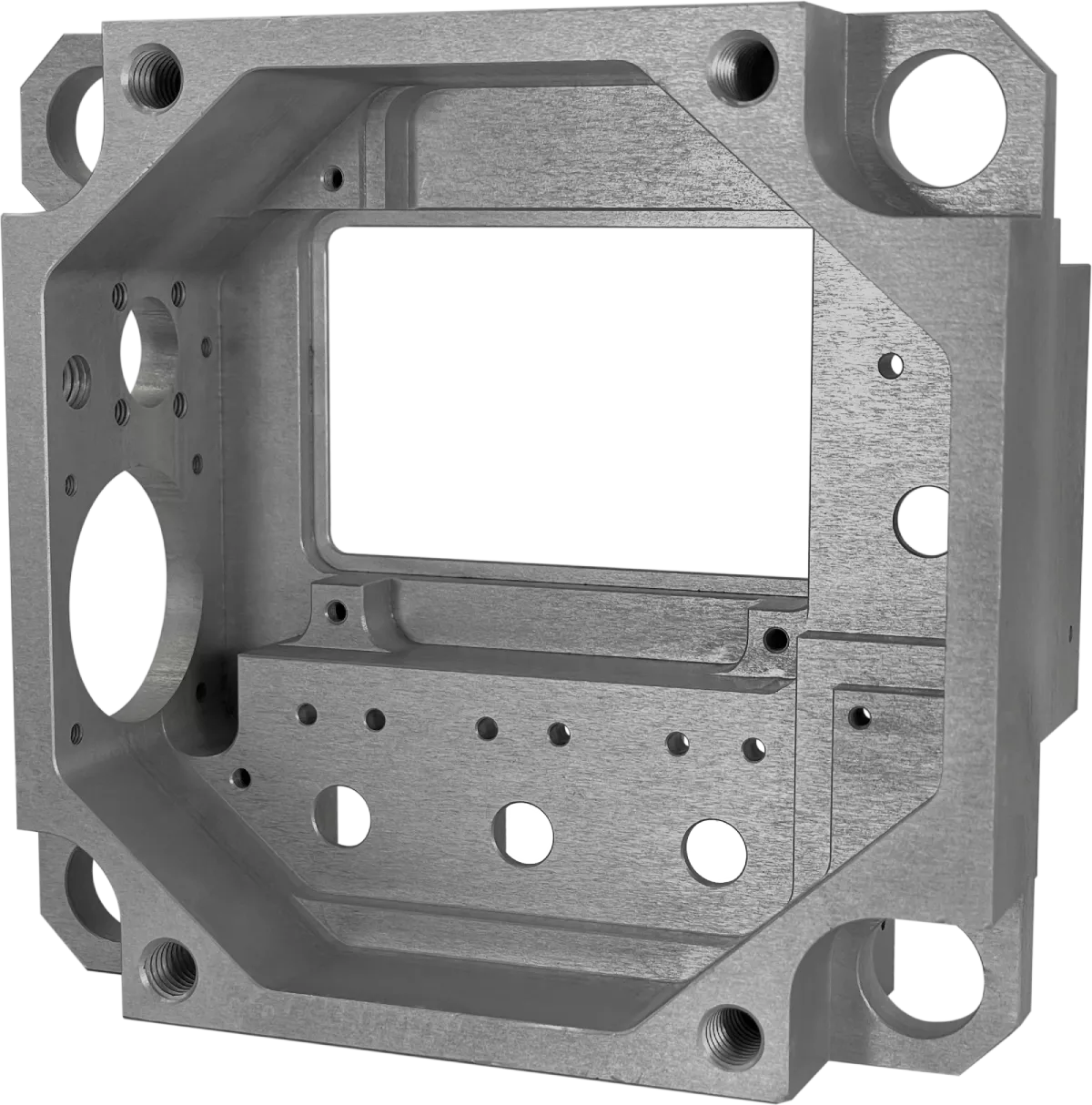
Clear Anodizing
LEARN MORE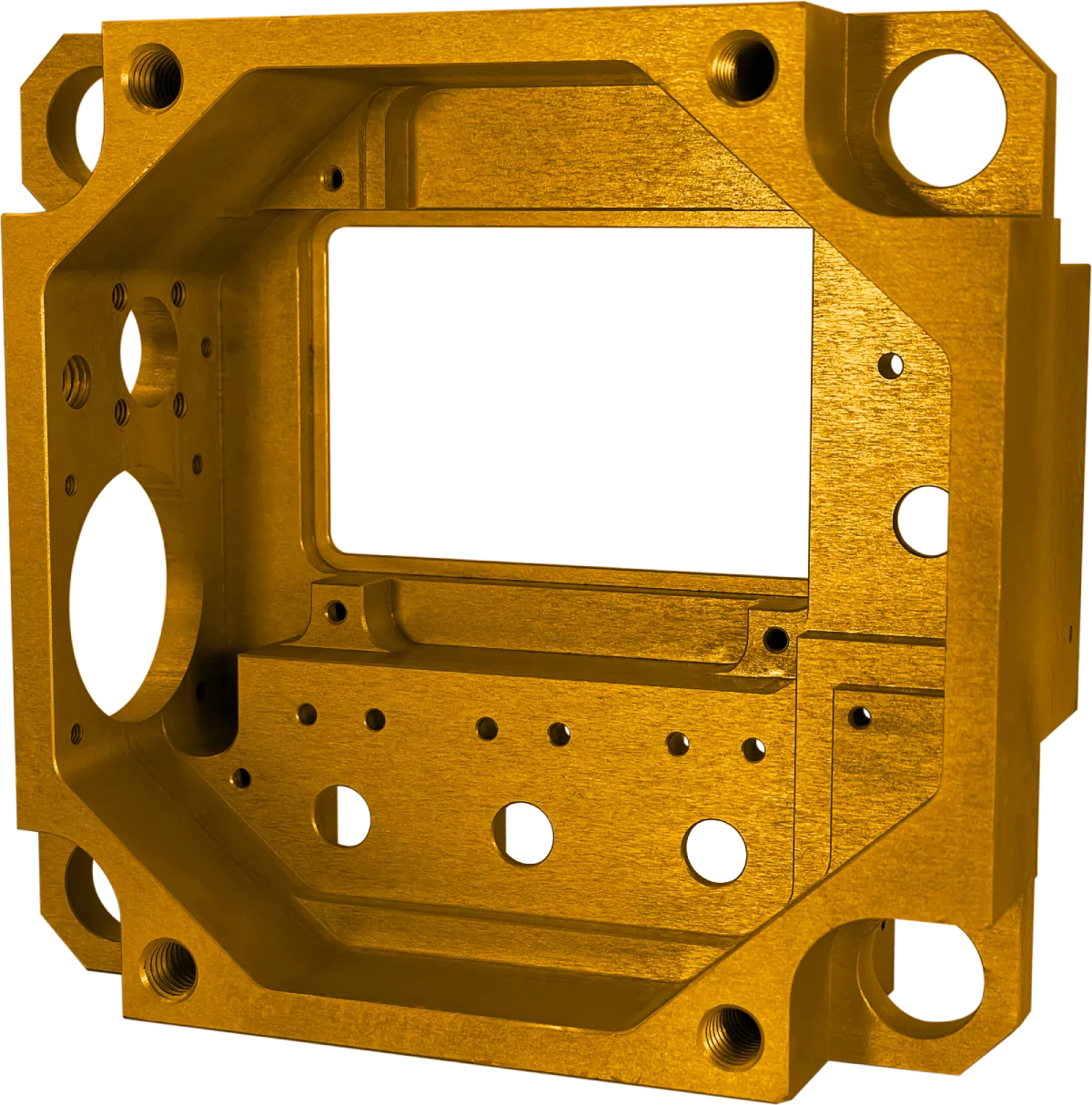
Color Anodizing
LEARN MORE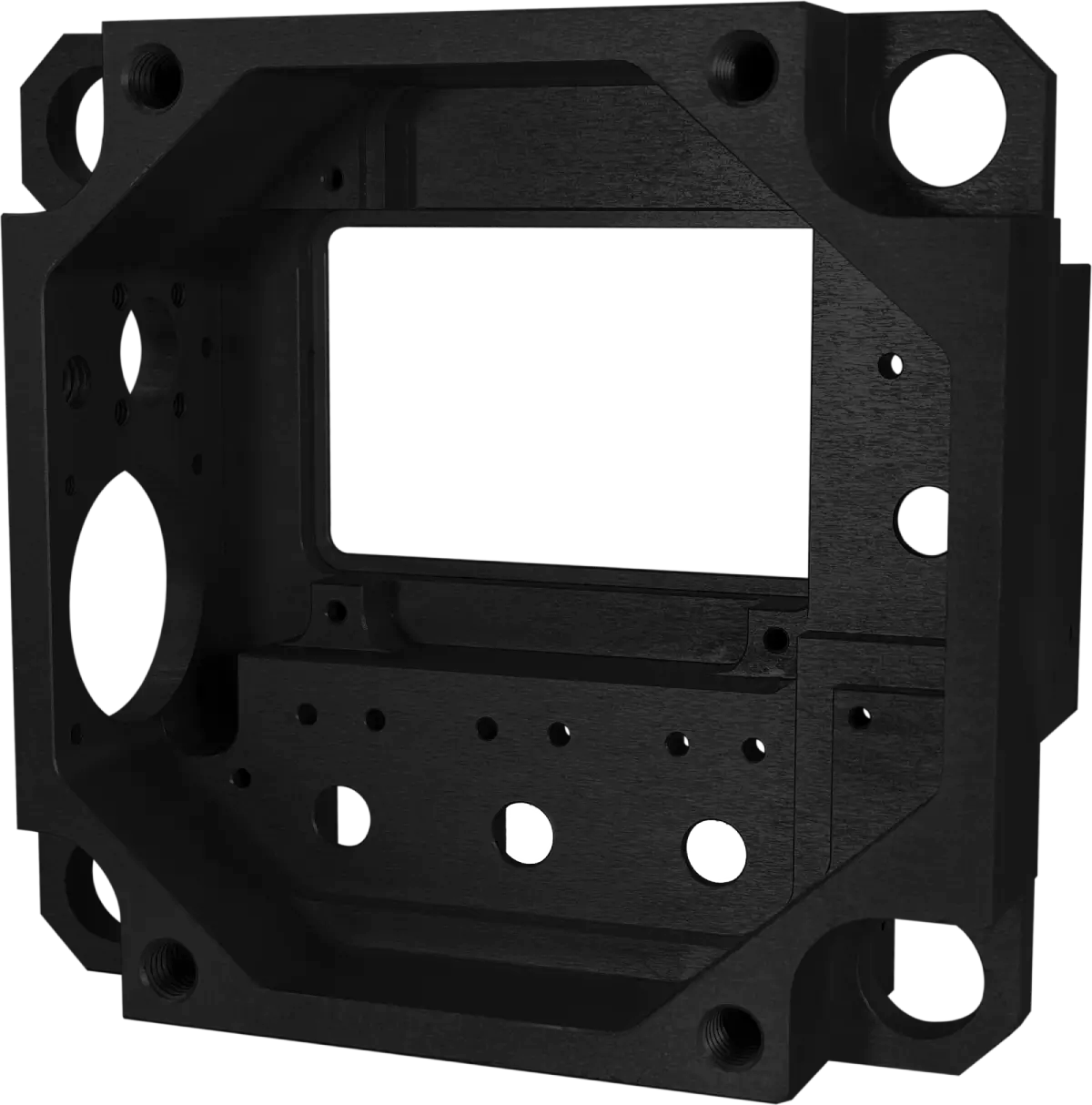
Hard Anodizing
LEARN MORE
Titanium Anodizing
LEARN MORE


Contact us
Thank you!
Your message has been successfully sent. We will get back to you shortly.
Frequently Asked Questions
What materials can be splash anodized?
Splash anodizing is most commonly performed on titanium and aluminum. Titanium produces colors through voltage-controlled oxide thickness, while aluminum uses anodization combined with specialized coloring methods to create decorative effects.
How durable is a splash anodized finish?
The finish is highly durable because the oxide layer is integrated into the metal surface rather than applied as a separate coating. It provides excellent corrosion resistance and improved wear performance compared with untreated materials.
Are splash anodized colors UV resistant?
Titanium colors created through voltage anodizing are produced by oxide thickness and light interference rather than dyes. As a result, they generally exhibit excellent UV stability. Performance of aluminum finishes depends on the specific coloration method used.
Can every part have a unique pattern?
Yes. Splash anodizing allows significant control over pattern development and coloration. Depending on production requirements, components can be produced with highly similar finishes or intentionally unique visual patterns.