




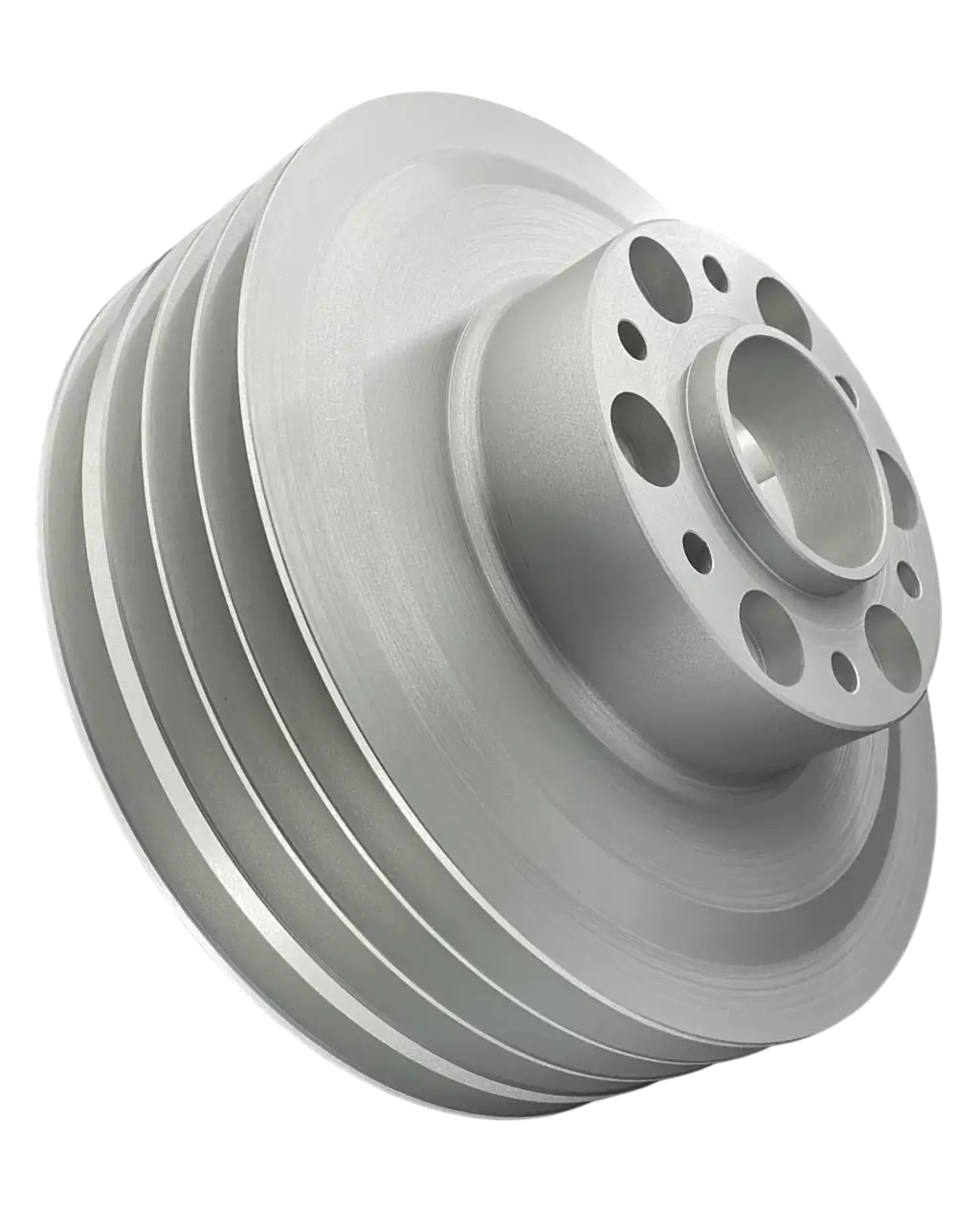
Clear anodizing for aluminium parts where surface behavior, dimensional control, and repeatable appearance matter more than decoration. TopAnod runs the process on a production line, so the focus is not “finish variation” but keeping oxide growth, sealing, and alloy response within predictable limits.
Color:
Clear
Shade variation: The shade will vary depending on the alloy.
Characteristics:
- Maximum size 1400х450х750 мм
- Coating thickness from 16 microns
- Features
- Possible additional effects 1. No processing. 2. Chemical etching (natural alloy texture). 3. Physical matting (glass bead blasting).
- Materials Aluminum alloys 1000, 2000*, 3000, 5000, 6000, 7000
- Applications
Clear anodizing at TOP ANOD:
More examples
View all works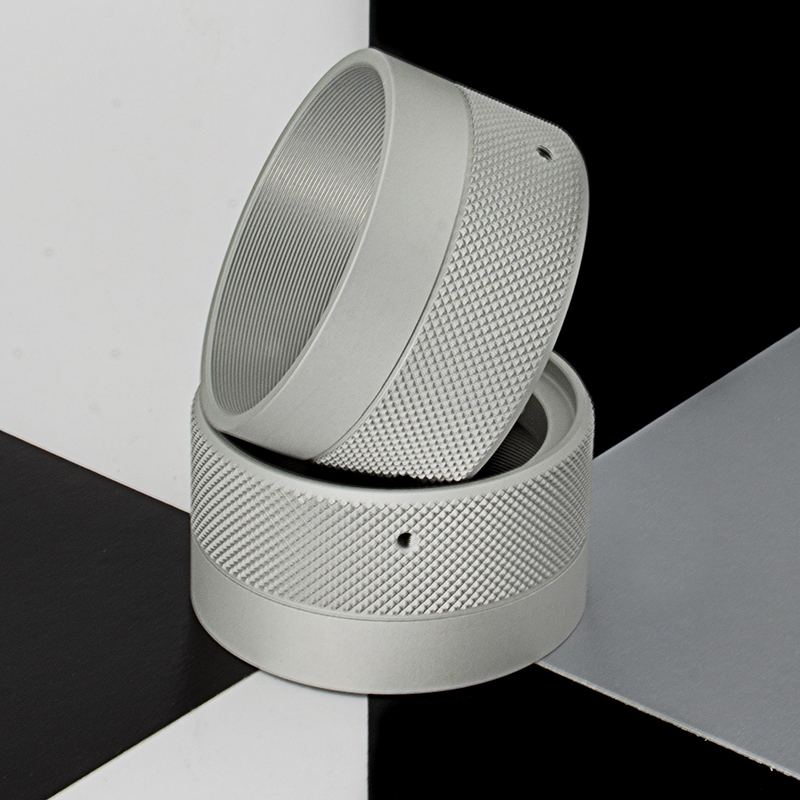
Cover type:
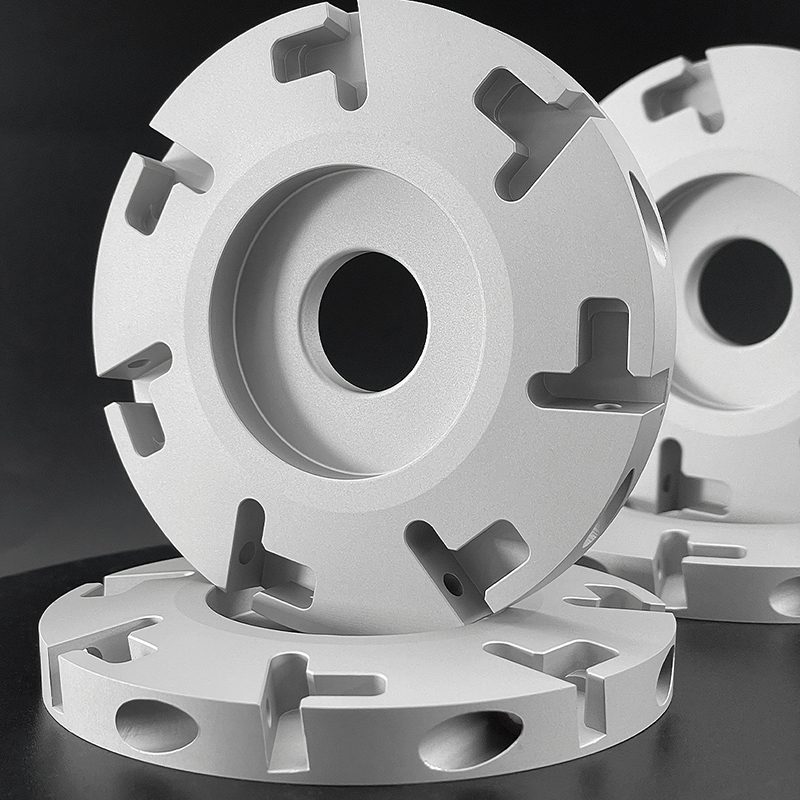
Colorless anodizing
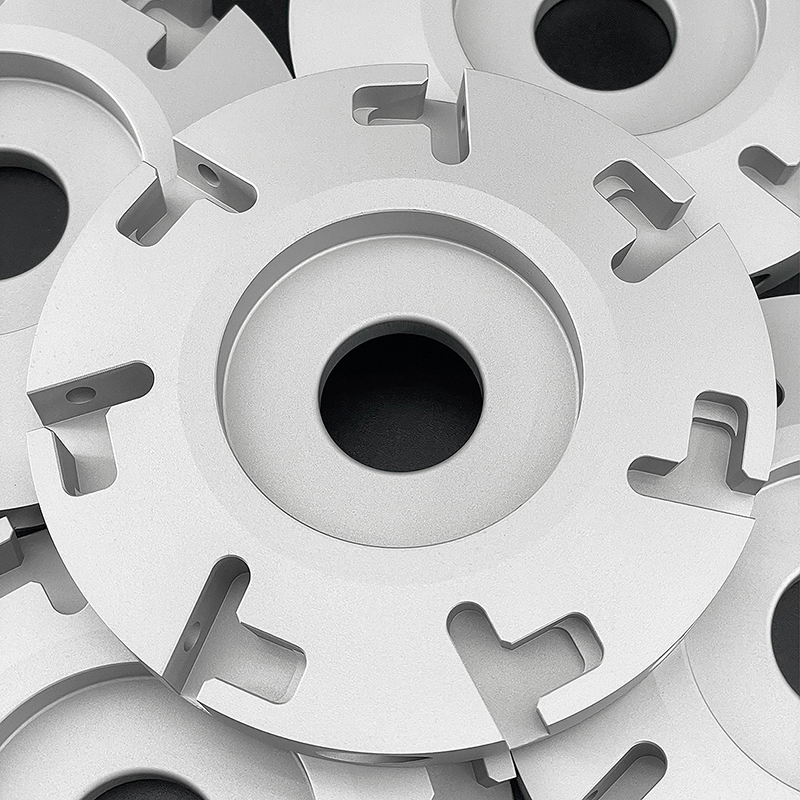
Cover type:
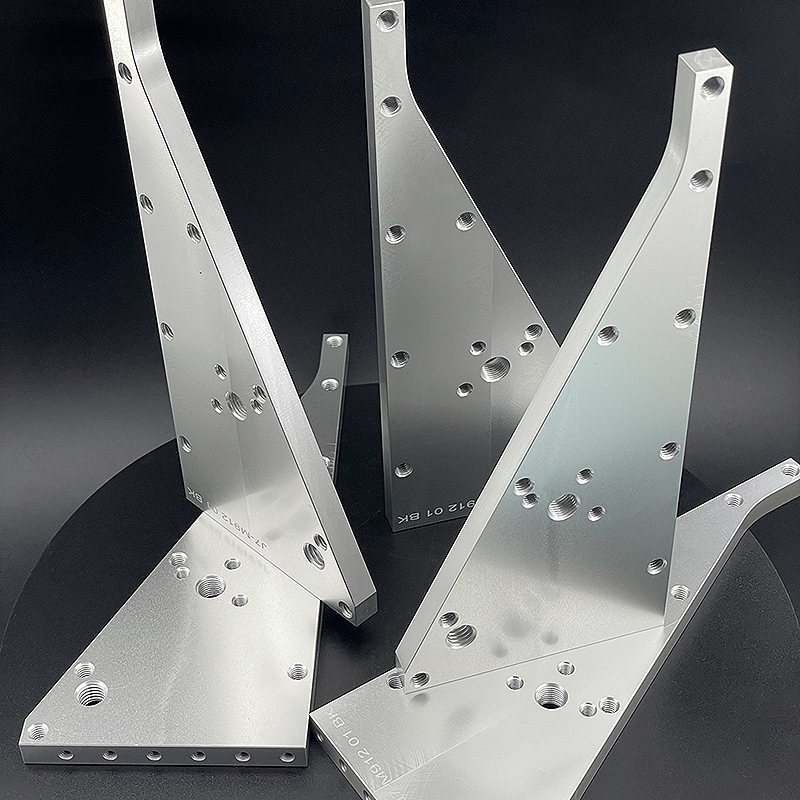
Colorless anodizing
Cover type:
Colorless anodizing
Cover type:
Colorless anodizing
9 reasons to Choose TopAnod For Clear Anodising

Alloy-specific anodising parameters for 1xxx, 5xxx, and 6xxx aluminium.

Thickness control for tight-tolerance parts and assemblies.

Functional masking for threads, contact points, and bearing surfaces.

Rack positioning control to reduce edge darkening and uneven build-up.

Stable bath chemistry and controlled current density.

Pre-treatment adjusted to alloy and surface condition.

Batch traceability across repeat production orders.

Oxide thickness verification and visual QC checks

Production capacity for both cosmetic and industrial anodised aluminium parts.
What is Clear Anodizing?
Clear anodizing is an electrolytic conversion of the aluminium surface into a controlled aluminium oxide layer. The base metal is not coated in the traditional sense–the surface itself is transformed.
In clear anodized aluminum, that oxide layer is intentionally kept transparent. The metallic appearance of anodised aluminium remains visible because the pore structure of the oxide layer does not block light reflection from the substrate.
The result is a clear anodized finish that ranges from bright metallic to controlled satin anodized aluminum depending on pre-treatment and etch level.
When Clear Anodizing Is the Right Choice
Architectural Components
Used where aluminium is exposed for years: façade systems, profiles, brackets. The key requirement is not just corrosion resistance, but keeping a stable natural colour under UV exposure and weathering. Clear anodised aluminium is often chosen because it avoids coating mismatch between batches and extrusions.
Consumer Products
Housings, frames, and visible assemblies where anodized aluminum clear finish must stay consistent across production runs. Here, alloy traceability matters more than thickness alone – small material changes show up immediately in appearance.
Industrial Parts
Functional components where surface protection is needed without building dimensional layers. Clear anodized aluminum is typically specified when tolerances are tight and any coating buildup must be controlled or compensated in machining.
How TopAnod Delivers Consistent Clear Anodizing
Surface Preparation
Pre-treatment is where most clear anodized aluminum process failures originate. Different alloys respond differently to etching:
- aggressive etch improves satin uniformity but increases dimensional loss
- minimal etch preserves geometry but can expose rolling marks or extrusion lines
We adjust cleaning and desmutting per alloy, not per job sheet.
Control Anodizing Parameters
The oxide layer is defined by three variables we keep tightly controlled:
- bath chemistry stability (aluminium concentration drift is monitored, not assumed stable)
- current density distribution across rack geometry
- exposure time tied to load geometry, not fixed timers
This is what keeps clear anodized aluminum finish consistent across different part densities in the same tank load.
Sealing for Long-Term Performance
Sealing is where many “good-looking” anodised aluminium parts fail in service. Poor sealing leads to staining, uneven water spotting, and long-term haze.
We adjust sealing depending on:
- required corrosion resistance level
- intended environment (indoor/architectural/industrial)
- desired optical stability (over-sealing can dull clarity)
It’s always a trade-off between maximum corrosion resistance and preserving the original anodized clear look.
Batch Consistency and Quality Checks
QC is not just visual inspection.
We verify:
- oxide thickness (non-destructive measurement on reference coupons)
- colour consistency under controlled lighting angle
- edge behavior (edges anodize faster, often showing tone shift if not controlled)
- repeatability against master samples for reorders
Edge buildup and local thickness variation are common in complex geometries–these are tracked, not ignored.
Benefits of Clear Anodized Aluminium
Corrosion Resistance
The aluminium oxide layer provides stable corrosion resistance in atmospheric and moderately aggressive industrial environments.
Surface Protection Without Coating Build-Up
Unlike paint systems, clear anodizing aluminum does not introduce a separate film that affects assembly tolerances. Growth is predictable and can be compensated in machining.
Natural Metallic Appearance
The finish preserves base metal reflectivity while reducing raw aluminium susceptibility to staining and oxidation.
Improved Durability
Surface hardness increases compared to untreated aluminium, improving resistance to abrasion and handling wear, especially on edges and contact surfaces.
Technical Specifications
The values below reflect typical production ranges for clear anodized aluminium under Type II anodizing conditions. Actual results depend on alloy, geometry, and pre-treatment.
|
Parameter |
Specification / Range |
Notes |
|
Coating Type |
Type II anodizing (clear anodic finish) |
No dye, transparent oxide layer |
|
Coating Thickness |
~5–25 µm |
Selected based on corrosion and wear requirements |
|
Surface Hardness |
~150–350 HV (approx. range, alloy-dependent) |
Varies with alloy and oxide structure |
|
Finish Options |
Matte / satin anodized aluminum / bright clear anodized |
Determined mainly by pre-treatment |
|
Alloy Influence |
High sensitivity (1xxx, 5xxx, 6xxx behave differently) |
Affects tone and clarity |
|
Sealing Method |
Hot water or nickel acetate sealing |
Trade-off between corrosion resistance and visual sharpness |
|
Edge Effect |
Higher local build-up at edges |
Controlled via rack design and current distribution |
|
Standards |
MIL-A-8625 Type II |
Common industrial reference for clear anodized aluminum process |
Other types of anodizing
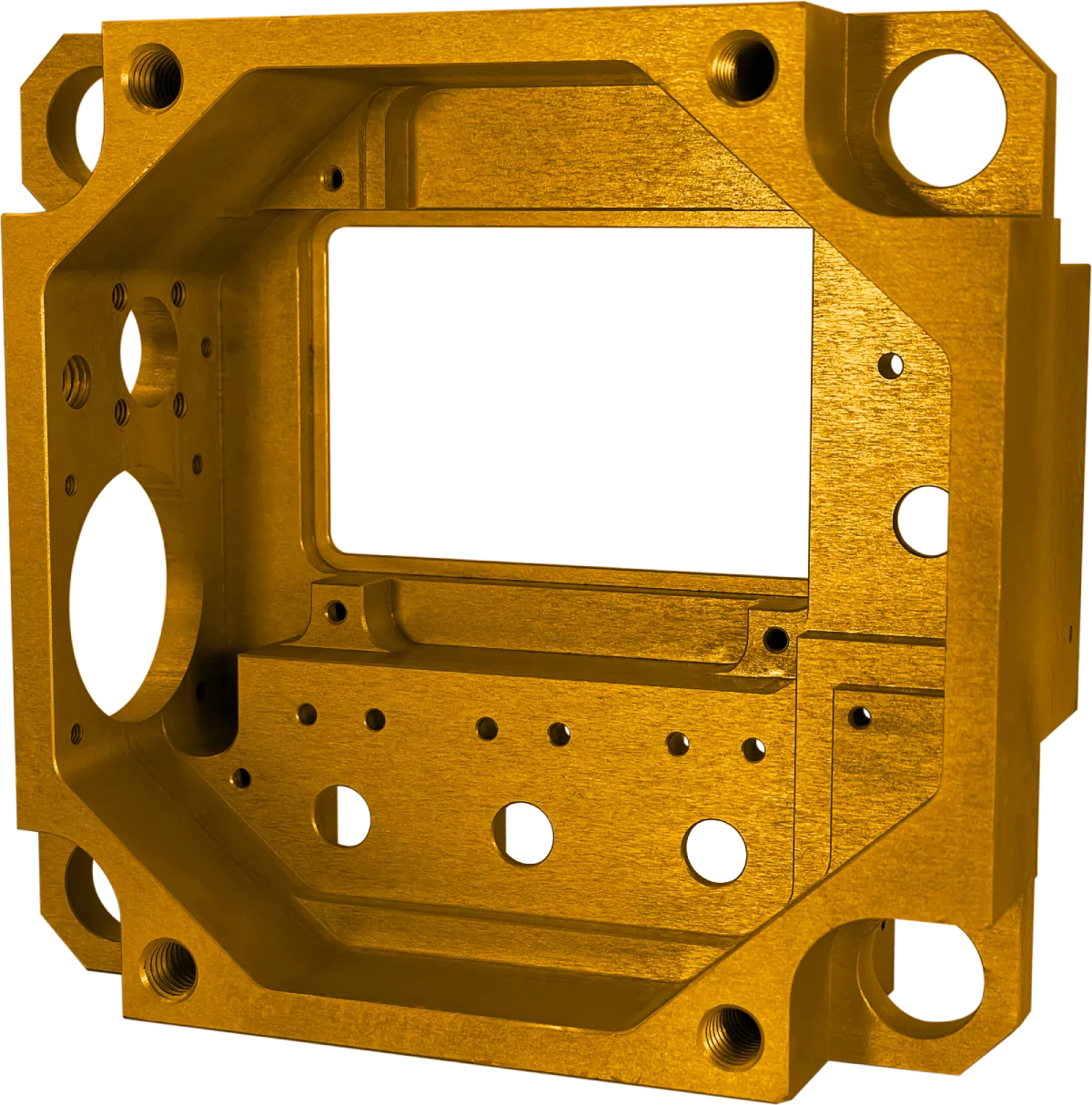
COLOR ANODIZING
LEARN MORE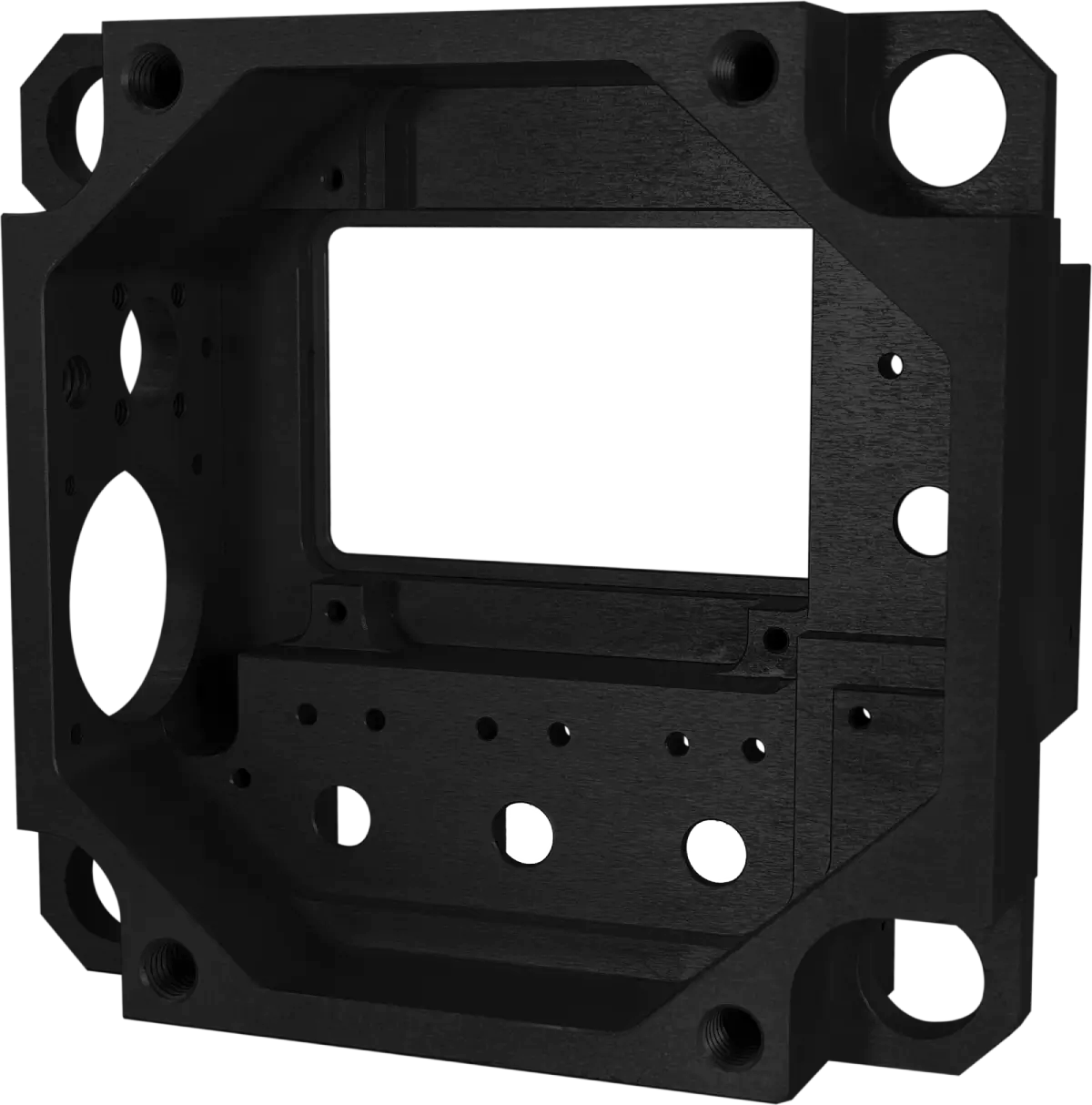
Hard Anodizing
LEARN MORE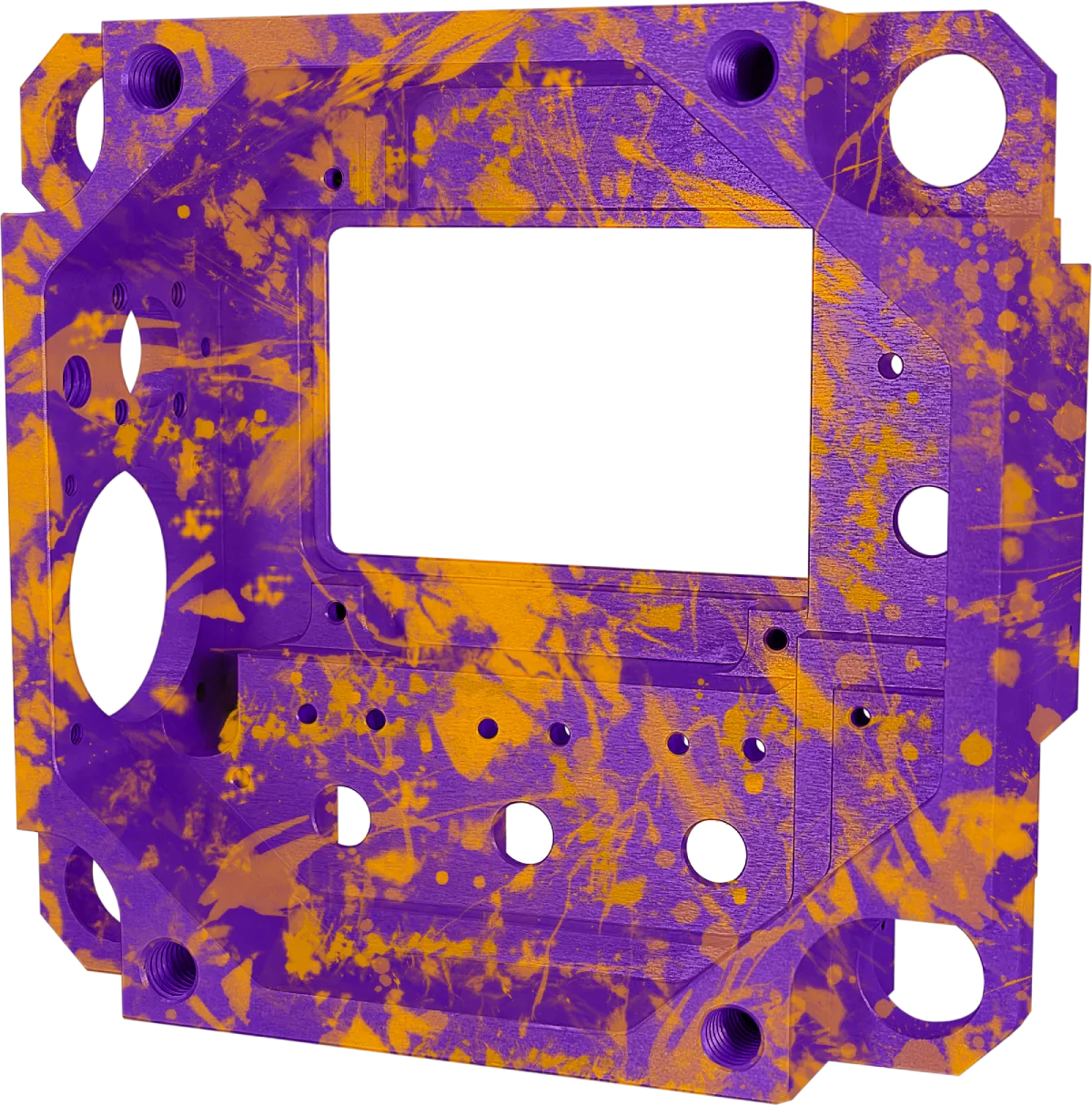
SPLASH-ANOD
LEARN MORE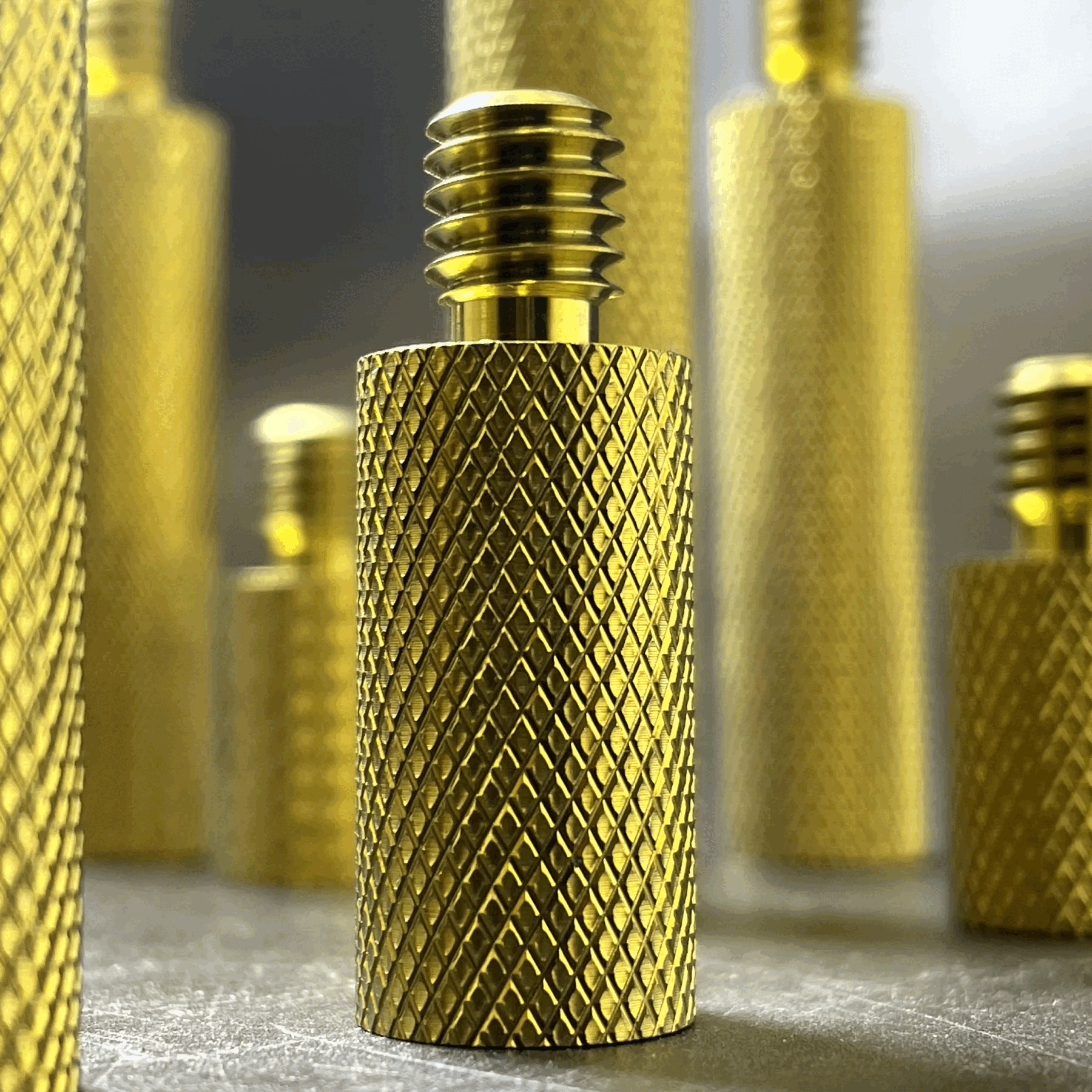
Titanium Anodizing
LEARN MOREFrequently Asked Questions
Does clear anodized aluminum change color?
It stays close to natural aluminium, but alloy composition and pre-treatment can shift tone slightly toward bright or satin appearance.
What thickness is clear anodizing?
Typically 5–25 µm depending on corrosion requirements and geometry
Is clear anodizing the same as Type II anodizing?
Yes – clear anodizing is Type II anodizing without dyeing, with transparency controlled by alloy and surface prep.
Can clear anodized aluminum be polished or matte?
Both are possible. Surface finish before anodising defines the final appearance more than the anodizing step itself.
How durable is clear anodized aluminum?
It provides stable surface protection in industrial and outdoor environments, with performance strongly dependent on sealing quality and alloy selection.


Contact us
Thank you!
Your message has been successfully sent. We will get back to you shortly.