



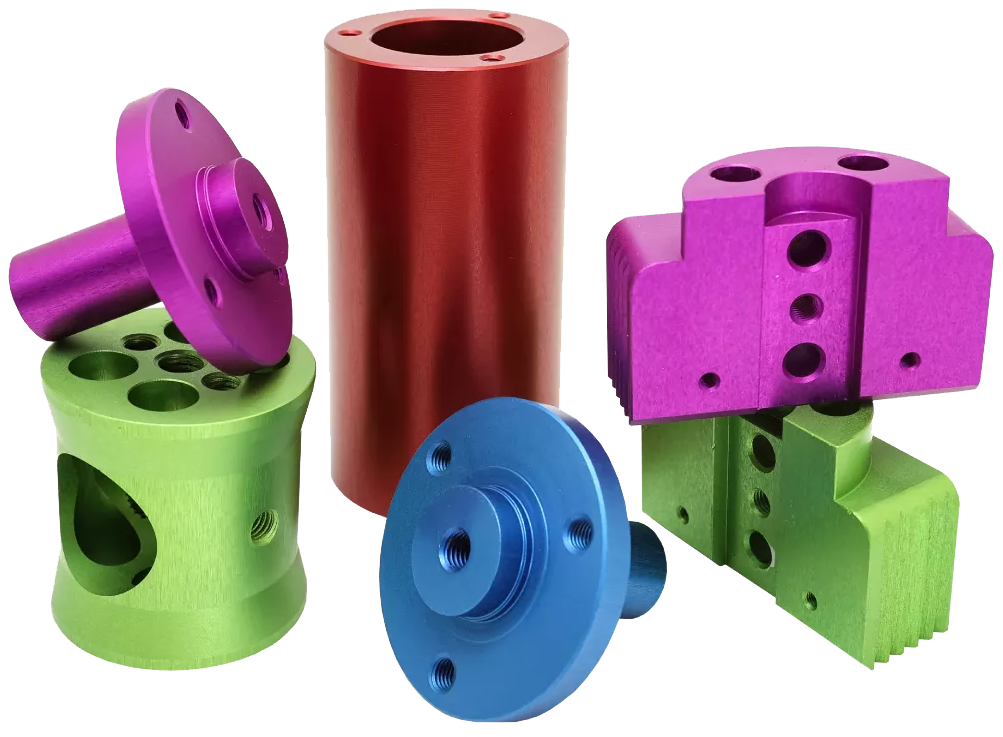
TopAnod provides industrial colour anodising for aluminium parts where repeatability matters – more than decoration.
We run production-focused anodization for CNC components, housings, and architectural profiles that require stable anodised aluminium colours across batches, not just sample pieces.
Color:
Fast Gold LN


Range available in stock; other colors possible by special order
Characteristics:
- Maximum size 1400х450х750 mm
- Coating thickness from 16 microns
- Features
- Possible additional effects 1. No processing. 2. Chemical etching (natural alloy texture). 3. Physical matting (glass bead blasting).
- Materials Aluminum alloys 1000, 2000*, 3000, 5000, 6000, 7000
- Applications
Color anodizing from TOP ANOD:
More examples
View all works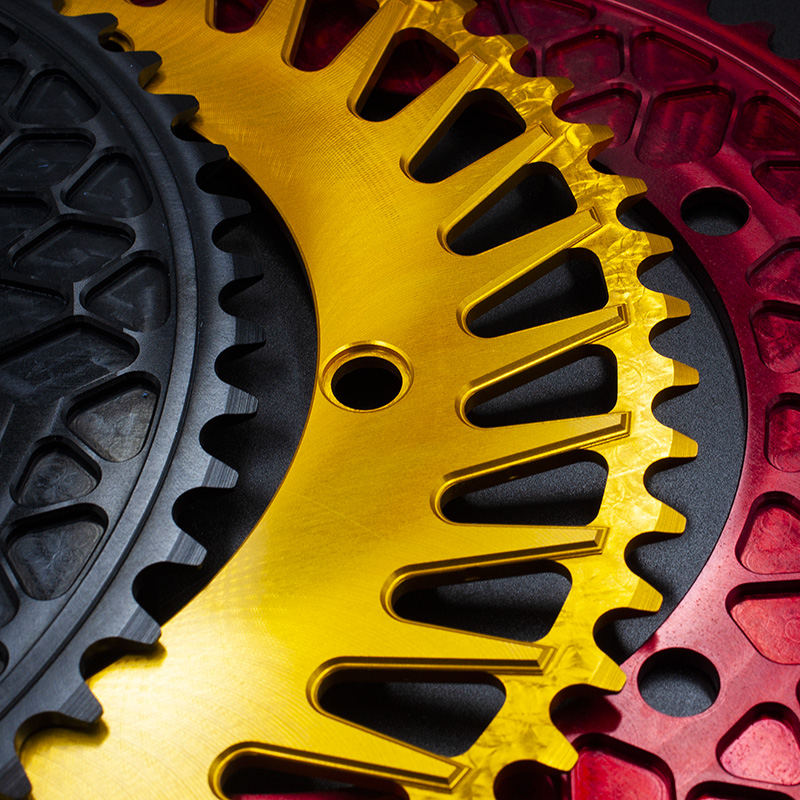
Cover type:
Color anodizing

Cover type:
Color anodizing

Cover type:
Color anodizing

Cover type:
Color anodizing
Talk to TopAnod about Anodized Aluminum Colours, Masking, Batch Repeatability and Custom Finishes
Get a Quote
9 reasons to Choose TopAnod for Colour Anodising

Production experience with CNC-machined and precision aluminium parts.

Thickness control for tolerance-sensitive components.

UV-stable electrolytic colouring for architectural and outdoor applications.

Controlled colour repeatability across serial production batches.

Masking solutions for threads, fits, and functional surfaces

Practical support on edge buildup, contact marks, and geometry limitations.

Process monitoring of bath chemistry, oxide growth, and sealing parameters.

Sample approval workflow for custom anodised aluminium colours.

Production-focused turnaround for industrial and OEM manufacturing projects.
What is Color Anodizing?
Colour anodising is an electrochemical process that grows a controlled aluminium oxide layer and introduces colour into its porous structure.
The oxide forms partly into the aluminium and partly above it, which makes it critical for tight-tolerance parts. After anodization, the porous layer absorbs dyes or metallic salts and is then sealed, locking anodized color into the surface.
Unlike coatings, the finish is part of the metal system itself. Colour depends on alloy type, oxide thickness, and surface preparation consistency.
How TopAnod Delivers the Colour Anodising Process
Surface Preparation
Cleaning and etching remove machining residues and define how evenly the oxide layer forms. Surface finish directly influences final anodized aluminum colors, especially on dark tones. Masking is used for threads, fits, and functional surfaces.
Oxide Layer Formation
The anodic coating is built in an electrolyte bath under controlled current and temperature. Thickness (typically 10 – 25 μm for colour work) affects durability, colour depth, and dimensional growth. Edge effects and geometry differences are accounted for in process setup.
Dyeing and Colour Penetration
Organic dyes create standard anodizing colours like black, blue, red, and gold. Colour consistency depends on alloy chemistry and oxide uniformity. For outdoor use, electrolytic colouring is used for higher UV stability.
Sealing and Stability
Sealing closes the oxide pores and fixes the colour in place. It also defines corrosion resistance and long-term appearance. The sealing method is selected based on wear and environmental conditions.
Types of Color Anodizing
TopAnod works with three main colour anodising routes depending on the alloy, geometry, and performance requirements of the part.
|
Type |
Process Principle |
Best Use Case |
|
Dye (Organic) Anodizing |
Organic dyes penetrate the porous oxide layer before sealing |
Decorative aluminium parts, consumer products, CNC components with wide colour requirements |
|
Electrolytic Coloring |
Metallic salts are deposited inside the anodic oxide structure during processing |
Architectural aluminium, outdoor components requiring improved UV stability and long-term colour consistency |
|
Integral Coloring |
Colour is formed simultaneously with oxide layer growth in a single anodization process |
Heavy-duty industrial components where wear resistance is more important than colour range |
Anodised Aluminium Colours Available at TopAnod
Standard Colour Range
TopAnod supplies black, bronze, gold, blue, red, green, and clear anodised finishes.
For serial production, we maintain reference samples and monitor coating thickness and bath conditions to keep anodized colors consistent between batches. Absolute colour matching is unrealistic in anodising, but variation can be controlled within defined production limits.
Custom Colour Matching
Custom anodized aluminum colours are possible when the alloy, surface finish, and geometry support stable colour reproduction.
Before full production, we normally run sample parts or colour approval panels. This helps identify alloy-related variation early, especially on cosmetic assemblies where parts are viewed side-by-side.
Multi-Color Anodizing Aluminum
Multi color anodizing aluminum requires staged masking and multiple processing steps.
It is feasible on selected geometries, but transition lines, masking marks, and tolerance buildup must be considered during part design. Fine cosmetic separation between colours is possible, although not every geometry can be processed reliably at production scale.
Key Benefits of Colour Anodizing
Metallic Finish Without Paint Build-Up
Colour anodising preserves the metallic appearance of aluminium without adding a thick painted layer.
Improved Corrosion and Wear Resistance
The anodic coating improves surface durability and corrosion performance while maintaining relatively low weight.
Better UV Stability Than Paint
Electrolytic anodized colors generally outperform painted finishes in long-term UV exposure.
Suitable for Precision Aluminium Components
Unlike powder coating, anodising produces a thinner, controlled oxide layer that works better on precision-machined aluminium parts.
Applications of Colour Anodised Aluminium
Architectural Components
Window systems, facade elements, trims, railings, and exterior aluminium profiles.
CNC and Precision Parts
Machined housings, brackets, covers, and aluminium components with cosmetic and dimensional requirements.
Consumer Products
Electronics enclosures, handles, premium aluminium accessories, and branded components.
Industrial Equipment
Machine components, fixtures, tooling elements, and operational aluminium assemblies exposed to wear or outdoor environments.
Other types of anodizing
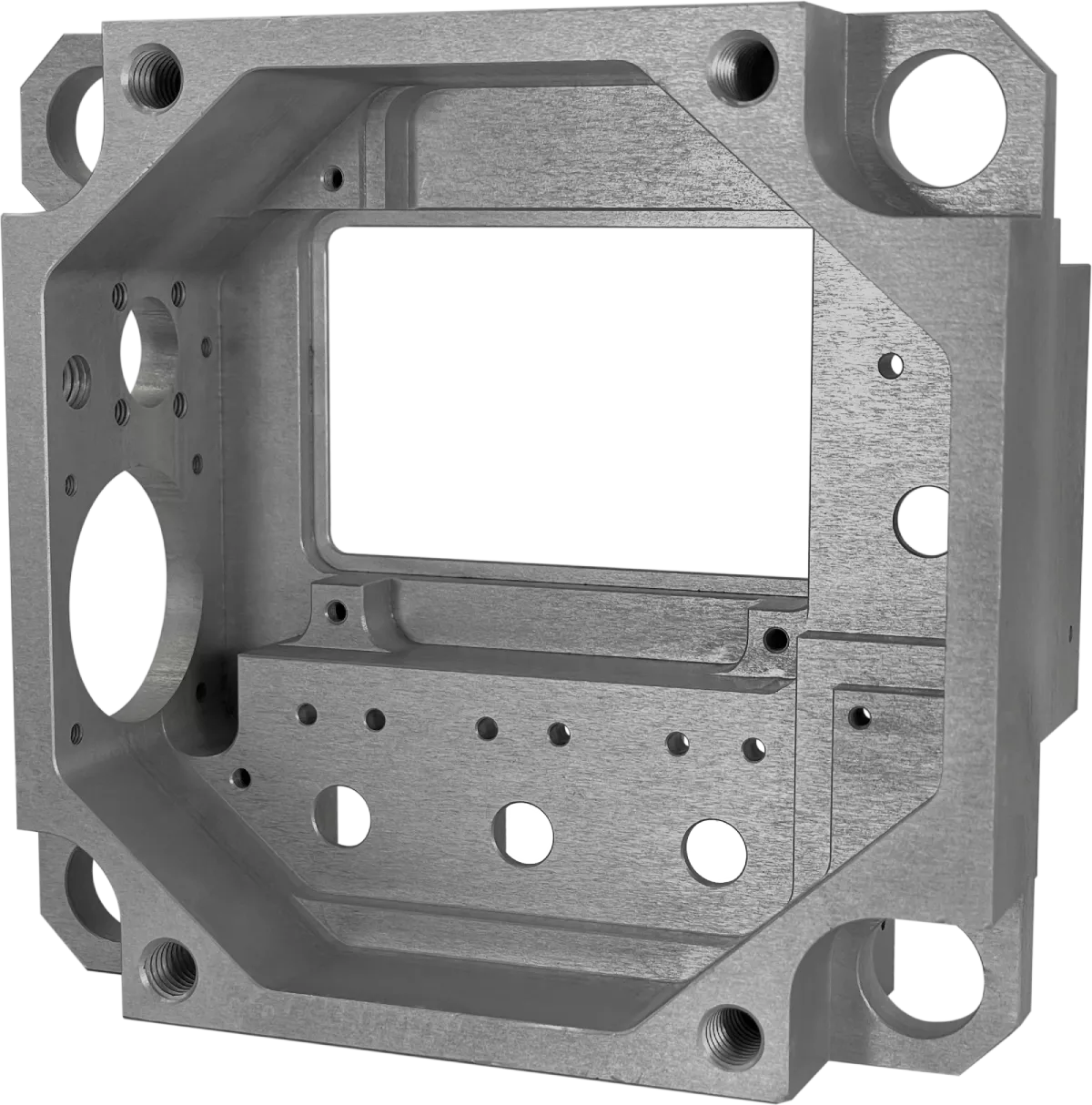
Clear Anodizing
LEARN MORE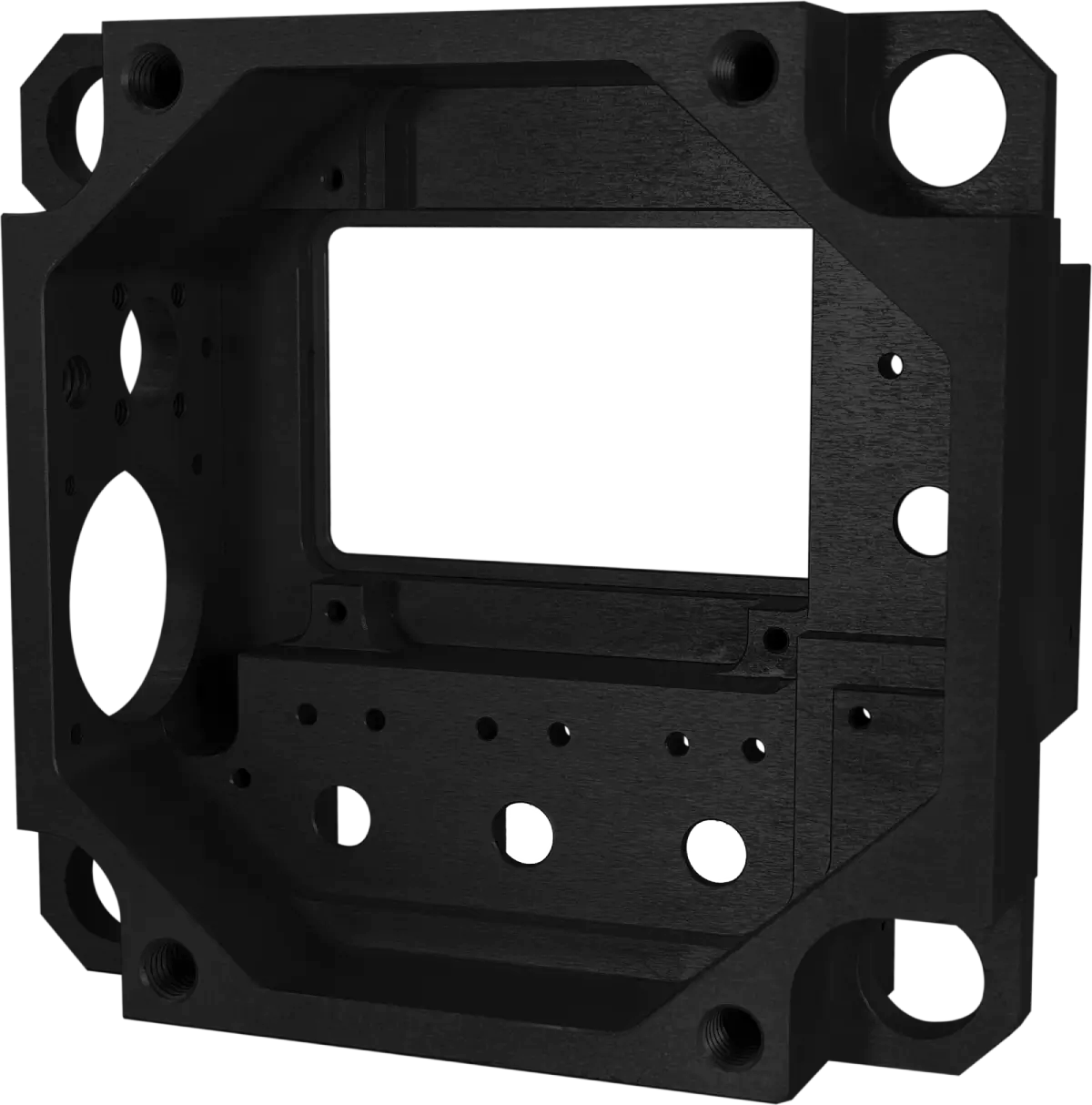
Hard Anodizing
LEARN MORE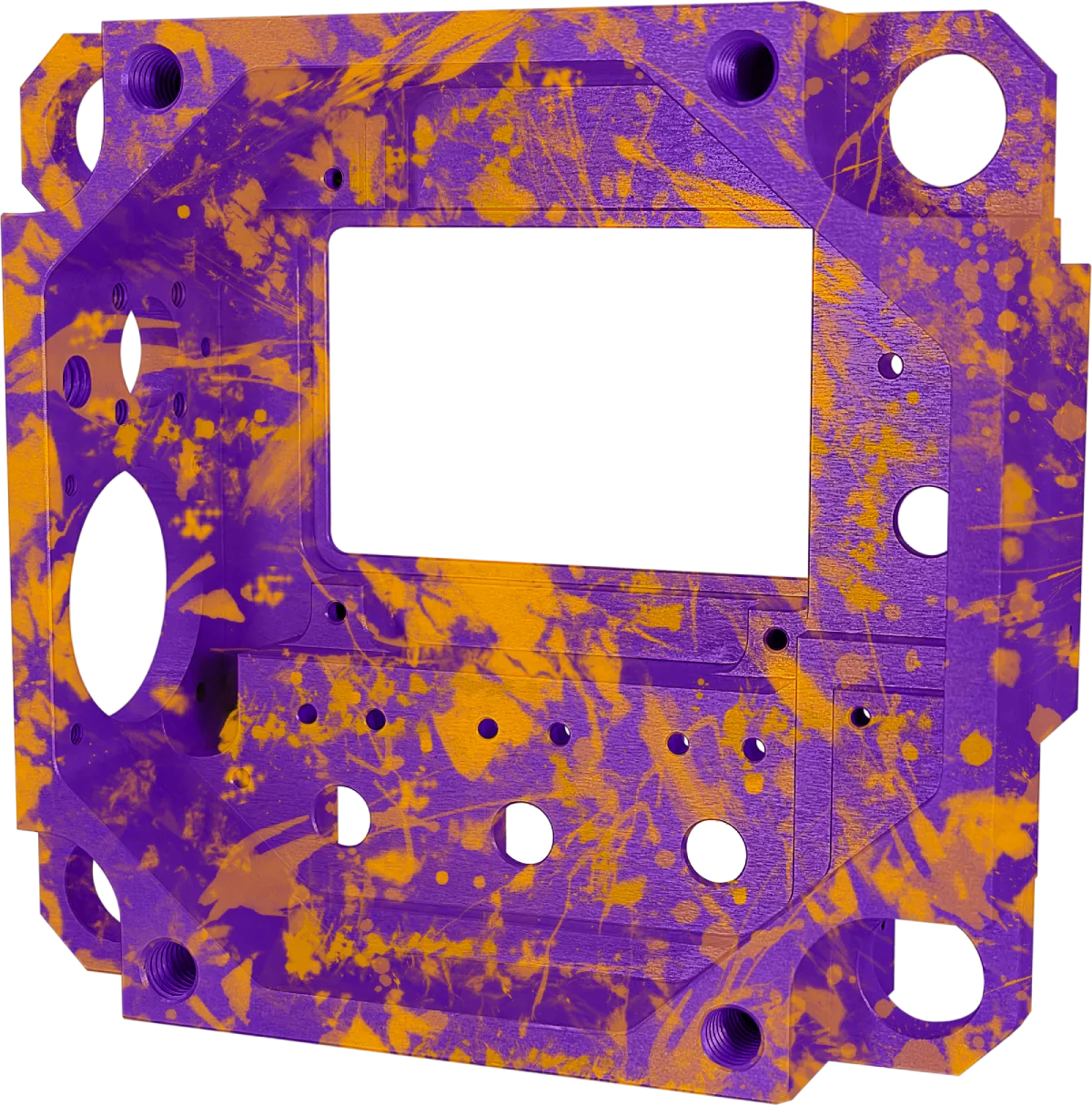
SPLASH-ANOD
LEARN MORE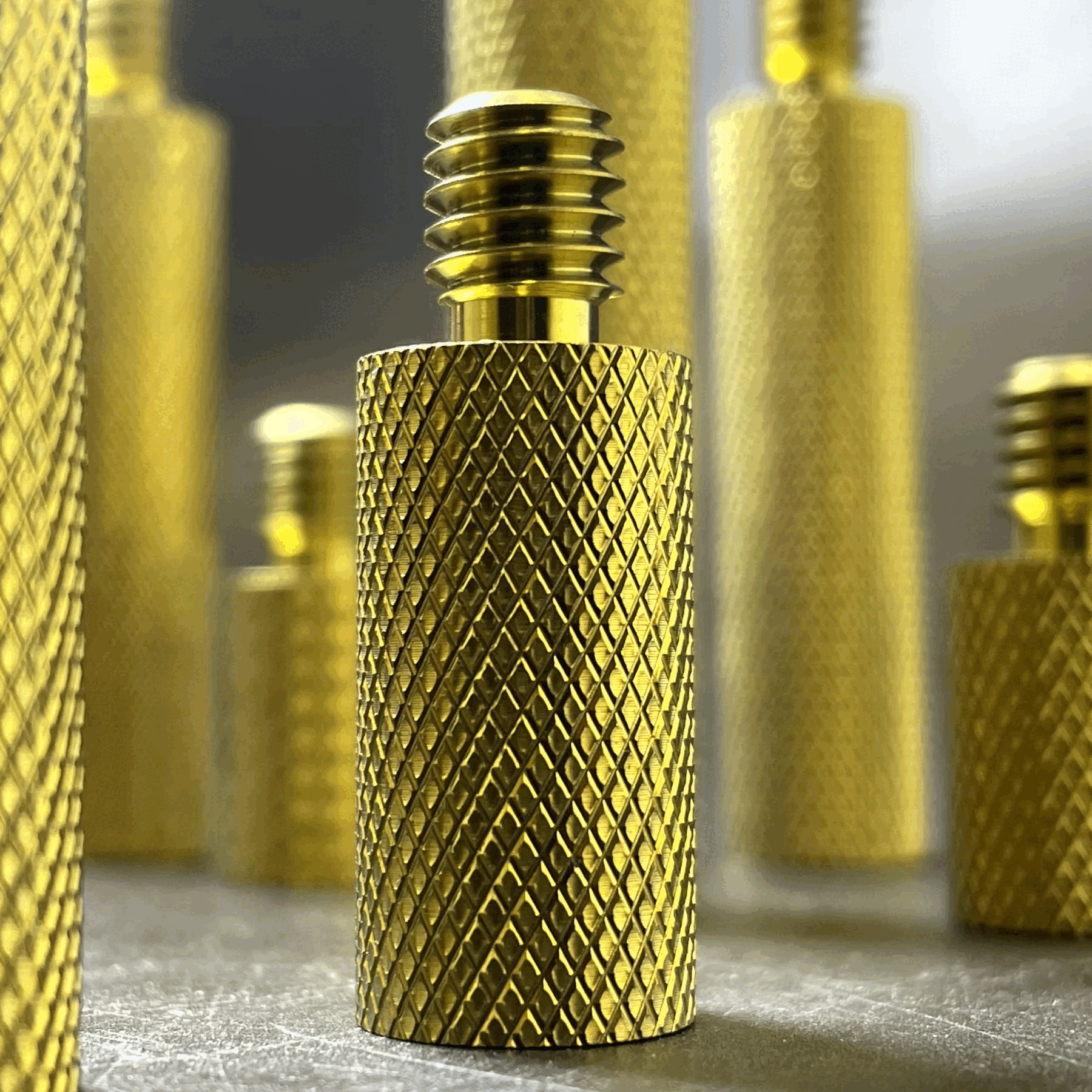
Titanium Anodizing
LEARN MOREFrequently Asked Questions
Why pure white cannot be achieved in anodizing?
The anodization process creates a translucent oxide layer, which makes pure opaque white technically difficult to achieve.
Does anodized aluminum color fade?
Organic dyes may fade over time under UV exposure, while electrolytic coloring provides better colour stability.
Is anodizing better than powder coating?
Anodising provides a harder, metallic finish integrated into the aluminium surface, while powder coating creates a thicker external coating layer.
What thickness is used for color anodizing?
Colour anodising typically uses oxide thicknesses between 10 and 25 microns depending on durability and application requirements.


Contact us
Thank you!
Your message has been successfully sent. We will get back to you shortly.