



Technical information
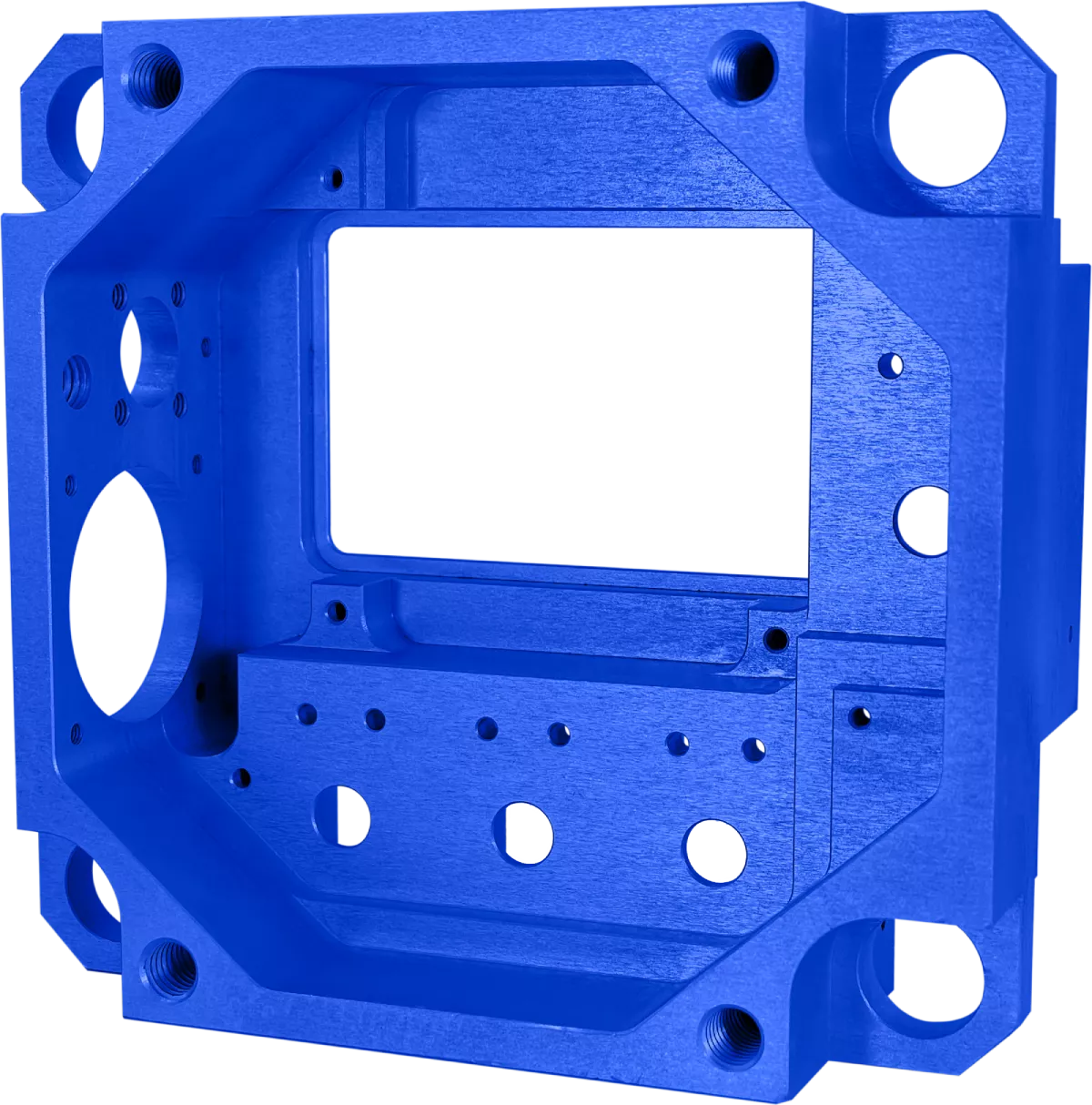
Anodizing Quality and Technologies from a Top Anodizing Company
Anodizing is an electrochemical process that enhances the properties of metals, making them more corrosion-resistant, wear-resistant, and aesthetically pleasing. Top Anod specializes in anodizing aluminum and titanium, offering a wide…
Read the article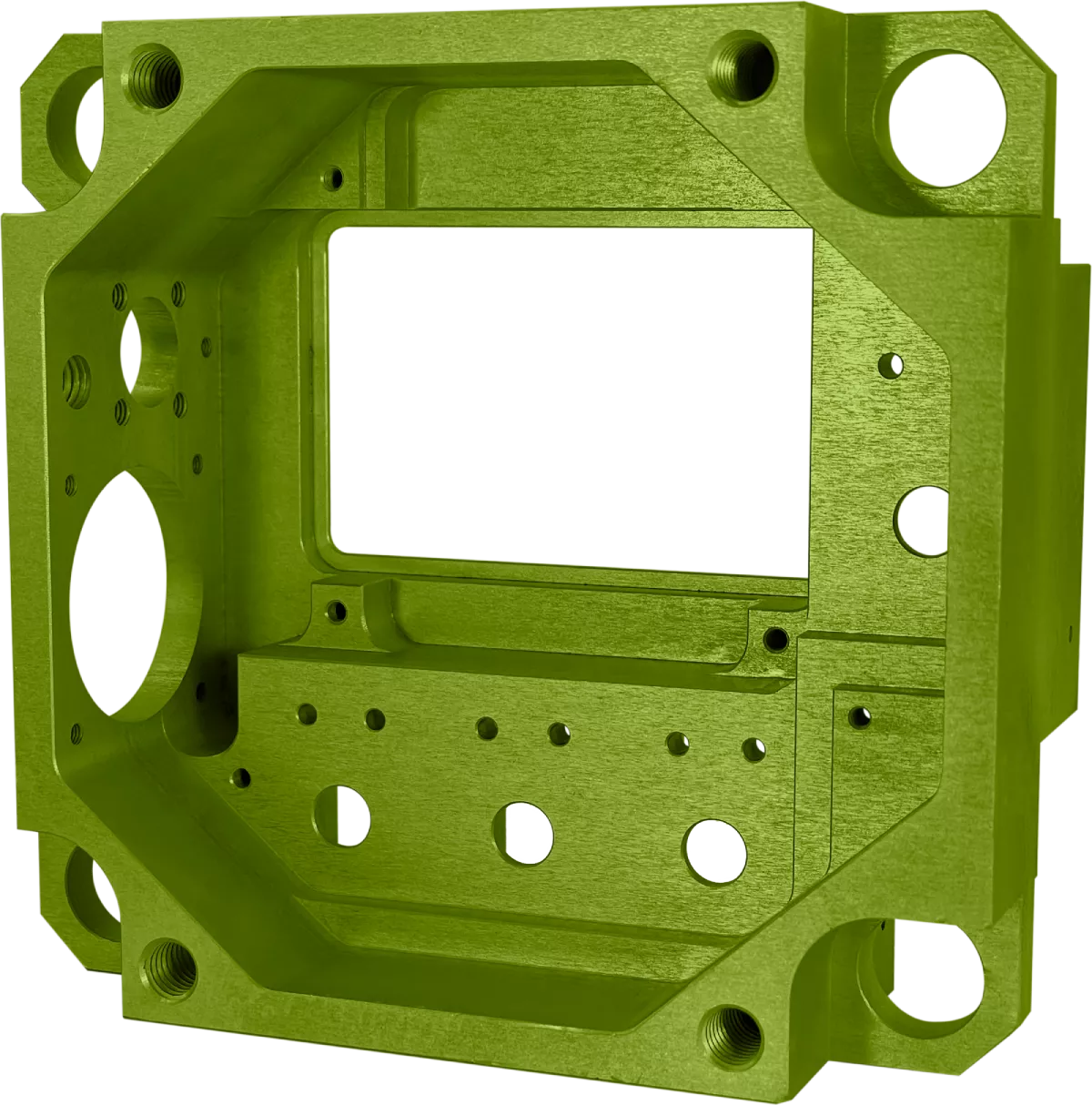
What is Anodizing?
Anodizing is an electrochemical process that increases the thickness of the natural oxide layer on the surface of a metal, particularly aluminum and titanium. The main purpose of anodizing is…
Read the article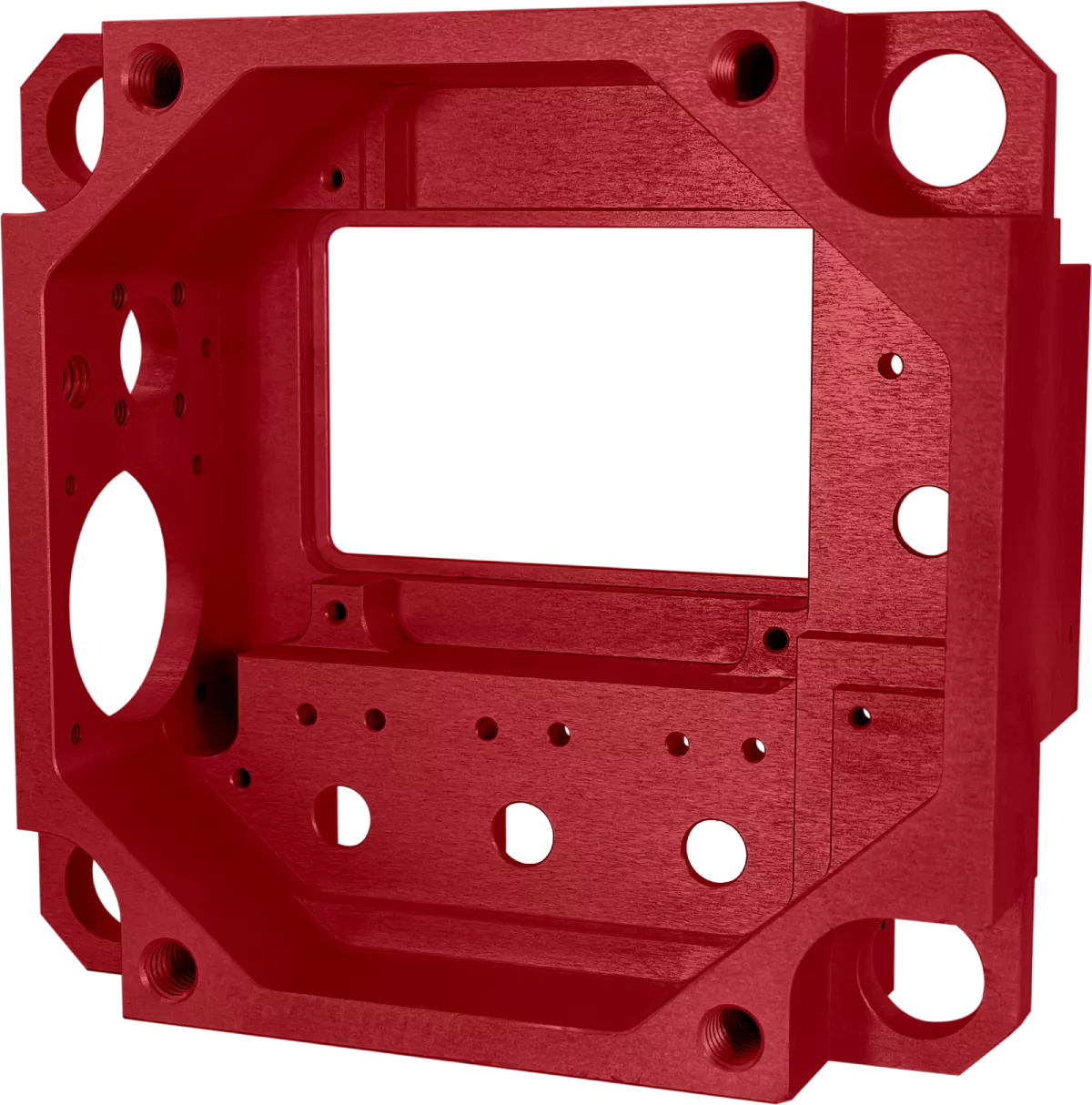
What is titanium anodizing?
Anodizing, or titanium anodizing, is a complex electrochemical process that alters the properties of a titanium surface, giving it additional strength, corrosion resistance, and an aesthetic appearance. This process has…
Read the article
Anodizing Thickness for Engineering Applications
Anodizing thickness is a critical engineering parameter that defines the performance of anodized aluminum in service. It directly influences corrosion resistance, wear behavior, dimensional change, and compliance with anodizing specifications…
Read the article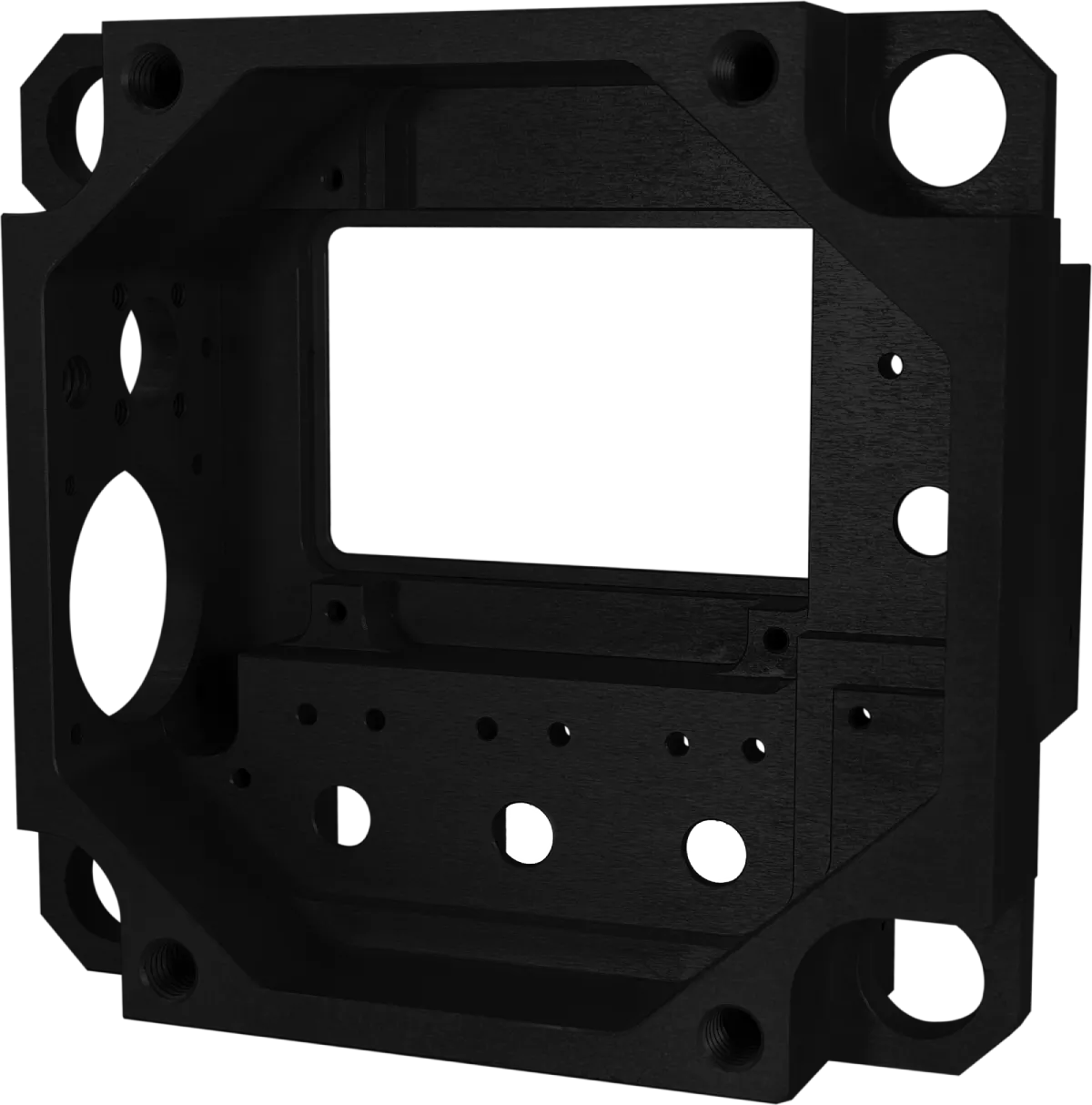
Aluminum Anodizing Standards and Certificates Explained
In industrial anodizing, the coating itself is only part of the requirement. What matters to engineers, buyers, and quality managers is whether that coating meets a defined specification and whether…
Read the article
Anodizing Types – Eloxal (E0–E6) & Type I–III
There are two main anodizing classification systems: the European Eloxal (E0-E6) and the American Type I-III.On this page, we will explain how they relate to each other, how they differ,…
Read the article
Black Hard Anodizing: The Future of Aluminum Components
Hard anodizing is an electrochemical process that creates a thick, protective oxide layer on the surface of aluminum. This layer provides exceptional resistance to corrosion, abrasion, and other harsh environments,…
Read the article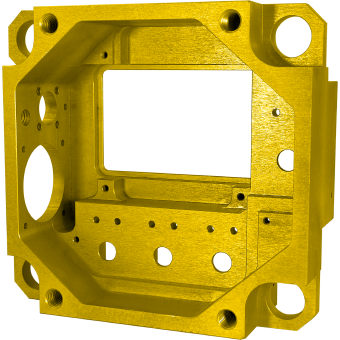
Quality starts with specifics: How ‘Top Anod’ ensures excellence in anodizing
At Top Anod, we approach our clients and their goals with the utmost seriousness. For us, quality isn't just a word—it's the foundation of our work. We employ modern technologies…
Read the article
What is passivation?
Passivation is a process used to enhance the corrosion resistance of metals like steel and aluminum by creating a protective oxide layer on their surface. This layer forms through a…
Read the article
Guide to Anodizable Aluminum Alloys
Selecting the right aluminum alloy before anodizing has a greater impact on the final result than many buyers realize. While most aluminum alloys can technically undergo anodizing, not all produce…
Read the article
Titanium Anodizing: What Is It?
Titanium anodizing is an electrochemical process that enhances the surface properties of titanium, making it more durable, corrosion-resistant, and aesthetically pleasing. Due to its unique characteristics, this process has become…
Read the article
Hard Anodizing: Features and Benefits
Hard anodizing is an electrochemical process that creates a thick, hard, and corrosion-resistant oxide layer on the surface of aluminum. Unlike regular anodizing, it is done at low temperatures and…
Read the article